The Alaskan Malamute: Strength and Loyalty from the Arctic
Delve into the world of the Alaskan Malamute, a breed known for its incredible strength and loyal nature....
Dog Life > Breed Guides
Delve into the world of the Alaskan Malamute, a breed known for its incredible strength and loyal nature....
- Home
- Dog Life > Breed Guides
- The Alaskan Malamute: Strength and Loyalty from the Arctic
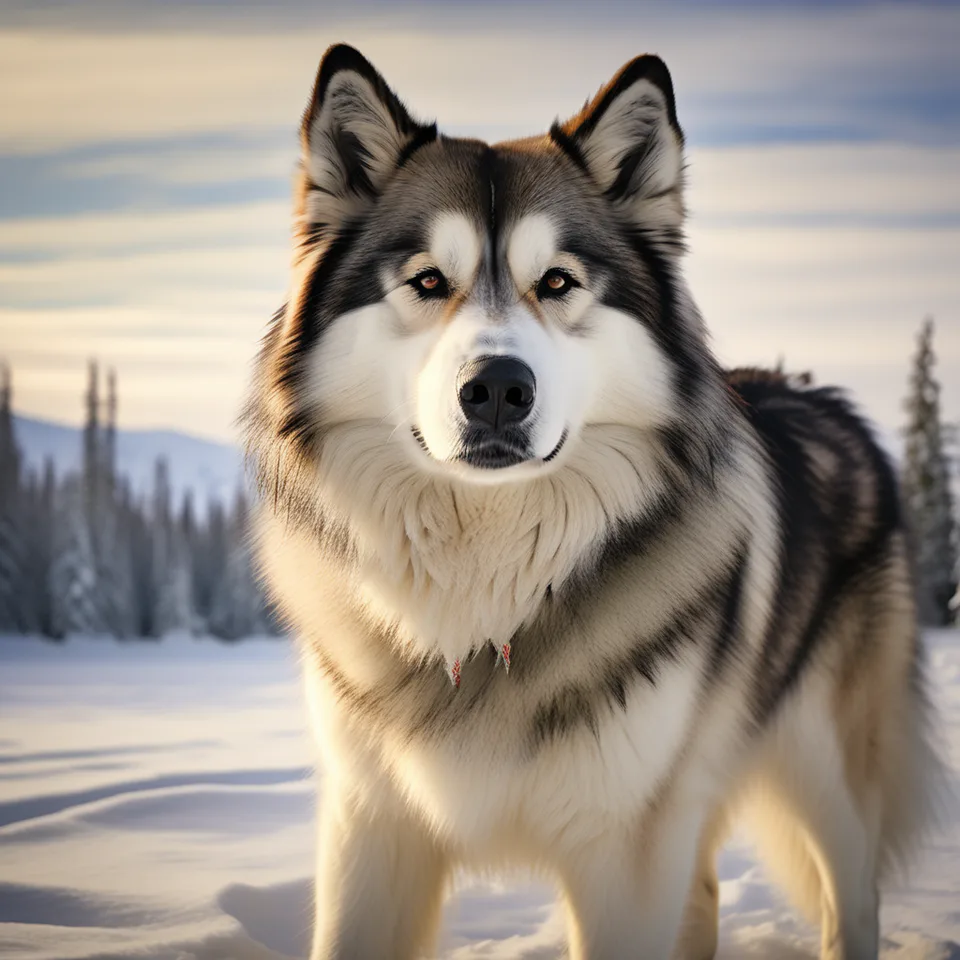
Greetings, dog lovers! Today’s focus is on the Alaskan Malamute, a breed that epitomises strength and resilience. Originating from the harsh Arctic environment, Malamutes are known for their powerful build and unwavering loyalty. Join us as we explore the qualities that make Alaskan Malamutes remarkable members of the working breeds.
History and Origin
The Alaskan Malamute, a breed synonymous with strength and resilience, has a rich history that is deeply connected to the culture and survival of the native Inuit people of Alaska.
Ancient Arctic Origins
The ancestors of the Alaskan Malamute were integral to the indigenous peoples of the Arctic for thousands of years. These dogs were not just pets but vital partners in survival. They were bred by the Mahlemut tribe, an Inuit group from which the breed takes its name, living in the northeastern area of the Seward Peninsula.
Bred for Strength and Endurance
The primary role of the Alaskan Malamute was to haul heavy loads across vast and unforgiving icy terrains. These dogs were specifically bred for strength, endurance, and the ability to work in the extreme conditions of the Arctic. Their physical attributes were honed over generations to create a breed capable of carrying heavy freight over long distances.
Essential for Survival
In the harsh Arctic environment, where transportation options were limited, Malamutes played a crucial role. They were used for hauling supplies like food and firewood, as well as for moving entire households when the tribes relocated. Their strength and stamina made them indispensable in a landscape where survival depended on mobility and the ability to transport essential goods.
Companions and Workers
Malamutes were more than just working dogs; they were companions and integral members of the communities they served. They lived closely with their human counterparts, sharing food and shelter. This close relationship fostered a deep bond between the Malamutes and the Inuit people, with the dogs being revered for their loyalty and companionship.
Adaptation and Versatility
Alaskan Malamutes were also used in hunting due to their keen senses and agility. They could assist in tracking and holding down large prey such as seals and polar bears, further demonstrating their versatility and importance in the Arctic lifestyle.
Preservation of the Breed
The breed remained relatively pure for centuries due to the isolated environment of their native region. However, with the arrival of outside explorers and settlers, the breed faced the threat of dilution. Efforts to preserve the pure Alaskan Malamute lineage began in the early 20th century, recognising the breed’s historical and cultural significance.
Today, while their role in Arctic survival has diminished, Alaskan Malamutes still retain the strength, endurance, and character that made them invaluable to the Inuit. They continue to be admired for their majestic presence, loyalty, and ability to thrive in challenging environments.

Physical Characteristics
Alaskan Malamutes are not just notable for their role in history but also for their distinctive physical characteristics, which are key to their survival in harsh Arctic conditions.
Size and Stature
Among the Arctic sled dogs, Alaskan Malamutes are one of the largest breeds. Males typically weigh between 85 to 100 pounds (39 to 45 kg), and females are slightly smaller. They stand about 23 to 25 inches (58 to 64 cm) at the shoulder. Their substantial size contributes to their impressive physical presence and strength.
Muscular Build
Malamutes possess a powerful and sturdy build, reflecting their heritage as freight haulers. They have a broad chest and strong, well-muscled shoulders and hindquarters, essential for pulling heavy loads. Their physical strength is one of their most defining characteristics, enabling them to perform demanding tasks in challenging environments.
Thick Double Coat
One of the most prominent features of the Alaskan Malamute is its thick double coat. This coat is crucial for insulation against the extreme cold of the Arctic. The outer layer is coarse and water-repellent, while the undercoat is dense, woolly, and provides warmth. The coat is generally heavier around the neck and shoulders, giving them a mane-like appearance, which adds to their majestic look.
Coat Colours and Markings
Alaskan Malamutes have a range of coat colours, typically shades of grey and white, sable and white, black and white, seal and white, or red and white. They often have facial markings, including a cap over the head and a face mask that can be either light or dark.
Tail
Another distinctive feature of the Malamute is its plume-like tail, which is carried over the back in a graceful arch. The tail is well-furred, adding to the overall fluffy appearance of the dog.
Ears and Eyes
Malamutes have small, erect ears that are triangular in shape, adding to their alert and attentive expression. Their eyes are almond-shaped, usually brown, and convey a look of intelligence and curiosity.
Feet
Their feet are large, with tough pads, suited for traveling over snow and ice. The feet are also covered in fur, providing additional insulation against the cold.
In summary, the physical characteristics of the Alaskan Malamute – from their impressive size and muscular build to their thick double coat and distinctive tail – are a testament to their adaptation to the Arctic environment. These features not only equip them for survival in extreme conditions but also contribute to their striking appearance.

Temperament
Alaskan Malamutes, known for their friendly disposition and impressive strength, possess a temperament that is both endearing and challenging, making them a unique breed to own and care for.
Friendly and Sociable
One of the most notable traits of Malamutes is their friendly nature. They are generally sociable dogs, both with their human families and with strangers. This breed is known for its lack of aggression and a tendency to greet everyone as a friend, which makes them poor guard dogs but excellent companions.
Playfulness
Malamutes are playful and enjoy engaging in activities, especially those that allow them to burn off their abundant energy. They often retain their playful demeanour well into adulthood, enjoying games and outdoor activities with their families.
Loyalty to Family
Malamutes form strong bonds with their families and are known for their loyalty. They thrive on companionship and prefer to be included in family activities. Their devotion to their family members is one of the reasons they are cherished as pets.
Good with Children
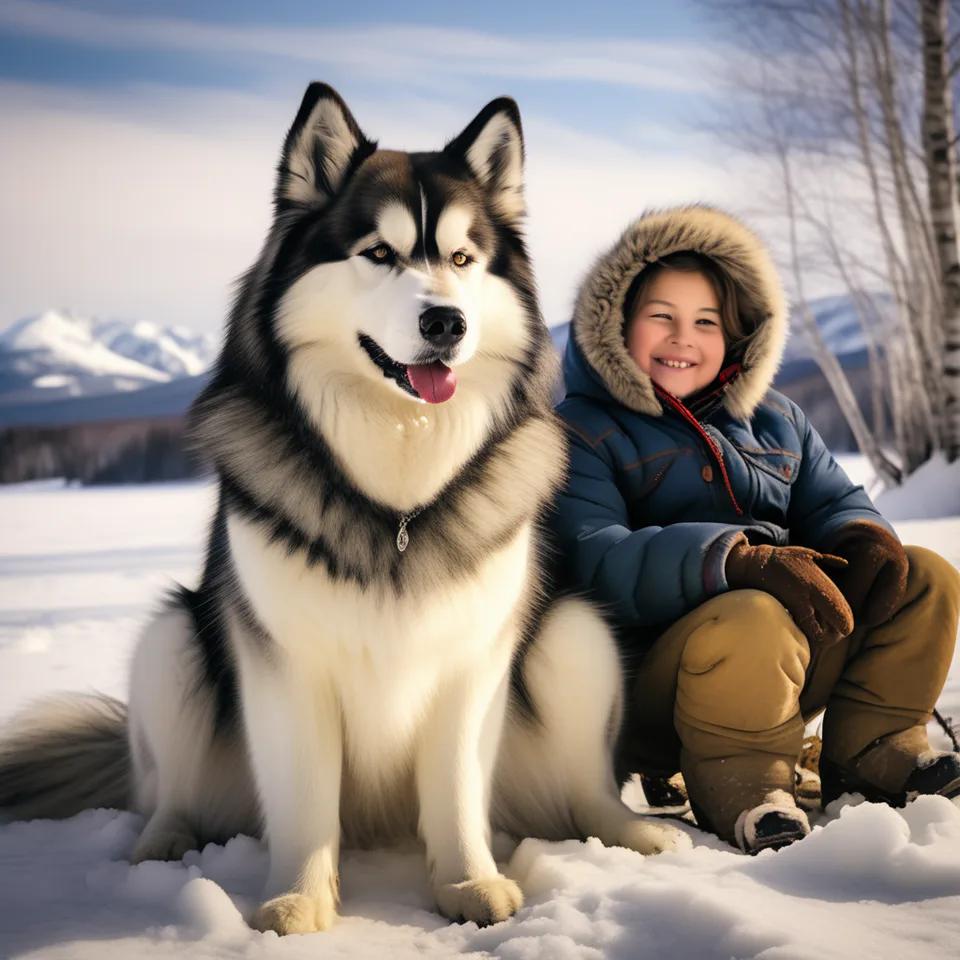
Generally, Malamutes are good with children, often showing patience and a protective instinct. However, due to their size and energy, interactions with very small children should be supervised to ensure safety for all.
Strong Will and Independence
While they are intelligent and capable, Malamutes are also known for their strong will and independent nature. This can sometimes be mistaken for stubbornness. They may not always be eager to please like some other breeds, which can present challenges in training.
Training and Socialisation
Consistent training and early socialisation are crucial for Malamutes. Their independent streak means they respond best to training that is firm yet positive, without being harsh. Early socialisation helps them develop into well-rounded dogs, comfortable in various situations and with different people and animals.
Exercise Needs
Malamutes require regular exercise to maintain their physical and mental well-being. They are suited to active families who can provide them with ample opportunities to exercise, play, and explore.
Vocalisation
Malamutes are known to be vocal, using a range of sounds to express themselves. From howls to ‘talking,’ they communicate their emotions and desires, which can be both amusing and, at times, challenging for owners.
In conclusion, the temperament of the Alaskan Malamute is a blend of friendliness, loyalty, playfulness, and independence. Understanding and respecting their nature, providing them with consistent training, adequate exercise, and socialisation, are key to a harmonious relationship with this majestic breed.
Health and Care
Alaskan Malamutes, with their robust build and Arctic heritage, have specific health considerations and care requirements that are crucial for their well-being. Understanding and addressing these needs is key to ensuring a healthy life for these magnificent dogs.
Health Considerations:
- Hip Dysplasia: A common issue in larger breeds, hip dysplasia is a genetic condition where the hip joint does not form properly, which can lead to arthritis and mobility issues. Regular veterinary check-ups, maintaining a healthy weight, and appropriate exercise can help manage this condition.
- Bloat (Gastric Dilatation-Volvulus): Malamutes are at risk for bloat, a serious condition where the stomach fills with gas and can twist. To mitigate this risk, it’s recommended to feed them smaller, more frequent meals and avoid vigorous exercise around eating times.
- Skin and Coat Issues: Given their thick double coats, Malamutes are prone to skin conditions and require regular grooming to maintain coat health and manage shedding.
- Other Health Concerns: Malamutes may also be prone to other health issues such as cataracts, hypothyroidism, and von Willebrand’s disease, a blood clotting disorder. Regular veterinary visits are important for early detection and treatment of these conditions.
Diet and Nutrition
A balanced diet is essential for Malamutes, particularly considering their size and energy levels. High-quality dog food that is appropriate for their age, size, and activity level is important. Care should be taken to avoid overfeeding, as obesity can exacerbate health issues like hip dysplasia.
Exercise Requirements
Malamutes are an active breed and require regular exercise to maintain their health and prevent boredom. They thrive on activities such as long walks, hiking, and playtime in a securely fenced area. Due to their thick coats, care should be taken during hot weather to prevent overheating.
Grooming Needs
Regular grooming is crucial for Malamutes. Their thick double coat requires frequent brushing to remove loose fur and prevent matting. During shedding seasons, more frequent grooming may be necessary. They also require routine care such as nail trimming, ear cleaning, and dental care.
Environmental Considerations
Malamutes are adapted to cold climates, so extra care should be taken in warmer environments. Providing a cool, shaded area, access to water, and avoiding excessive exercise in hot weather are important to keep them comfortable.
Routine Veterinary Care
Regular check-ups with a veterinarian are essential to monitor the health of Malamutes. These check-ups should include vaccinations, parasite control, and routine screenings for common health issues associated with the breed.
In summary, caring for an Alaskan Malamute requires attention to their unique health risks, dietary needs, exercise requirements, and grooming. With proper care and regular veterinary visits, Malamutes can be a healthy and joyful addition to a family.

Training and Socialisation
For Alaskan Malamutes, effective training and comprehensive socialisation are vital aspects of their development and integral to their integration into family life, particularly considering their size, strength, and energetic nature.
Importance of Early Socialisation
Socialisation for a Malamute should begin at a young age. This process involves exposing the puppy to a variety of experiences, people, animals, and environments in a positive and controlled manner. Early socialisation is critical in helping them become well-adjusted and confident adult dogs. It reduces the likelihood of fearfulness or aggression in unfamiliar situations and helps them develop into sociable and well-mannered dogs.
Positive Reinforcement Training
Alaskan Malamutes respond best to positive reinforcement training methods. This approach, using rewards such as treats, praise, or play, motivates them to learn and repeat desired behaviours. Training should be consistent and start from an early age, as Malamutes are intelligent and capable of learning a wide range of commands and behaviours.
Training Challenges
Malamutes can sometimes exhibit a strong-willed or stubborn streak, which can pose challenges in training. It’s important to establish leadership and set boundaries, but this should be done with patience and without resorting to harsh discipline. They are sensitive to their owner’s tone of voice and demeanour, so a firm but gentle approach is most effective.
Leash and Obedience Training
Given their size and strength, leash training is essential for Malamutes. Teaching them to walk calmly on a leash is important for the safety of both the dog and the handler. Basic obedience training, including commands like sit, stay, come, and heel, is crucial for managing their behaviour, especially in public settings.
Socialisation with Other Animals
Malamutes, due to their prey drive and size, should be socialised with other animals, particularly smaller ones, from a young age. This helps in teaching them appropriate behaviour around other pets.
Exercise and Mental Stimulation
Regular exercise is important for Malamutes, not just for their physical health, but also for their mental well-being. They enjoy activities that challenge them both physically and mentally. Activities like hiking, pulling activities (like carting or sledding), and advanced training exercises can provide the necessary physical and mental engagement.
Addressing Vocalisation
Malamutes are a vocal breed, and training can help manage excessive howling or barking. Understanding their cues and providing them with adequate attention, exercise, and mental stimulation can reduce unnecessary vocalisation.
In summary, training and socialisation are critical for the well-being and behavior of Alaskan Malamutes. Their intelligence and strength make them responsive to training, but their independent nature requires a patient, consistent, and positive approach. Proper socialisation and training ensure that they grow into well-behaved and sociable companions.

Conclusion
The Alaskan Malamute is a remarkable blend of strength, endurance, and companionship. Suitable for active families who can meet their needs, Malamutes bring a sense of adventure and loyalty to any home.
Explore more about working breeds like the Alaskan Malamute in our comprehensive Working Breeds Guide.
Dog Life > Breed Guides
Continue exploring
- The Akita: Japan’s Noble Guardian of Loyalty and Courage
Majestic, loyal, and quietly powerful — the Akita embodies Japan’s spirit of honour and devotion. This Akita dog breed guide explores their…
- The Bouvier des Flandres: A Furry Bundle of Joy and Utility
Discover the robust and affectionate Bouvier des Flandres. Learn about their history, characteristics, grooming needs, and why they’re an…
- The Spirited Springer Spaniel: A Companion in the Kitchen and Beyond
Uncover the delightful traits of Springer Spaniels, and see how these energetic companions can add zest to your culinary adventures and daily…
Some subjects change over time. For health, nutrition, safety, animal welfare, law or specialist equipment, check current authoritative guidance before acting.